Start with the finish the property actually needs
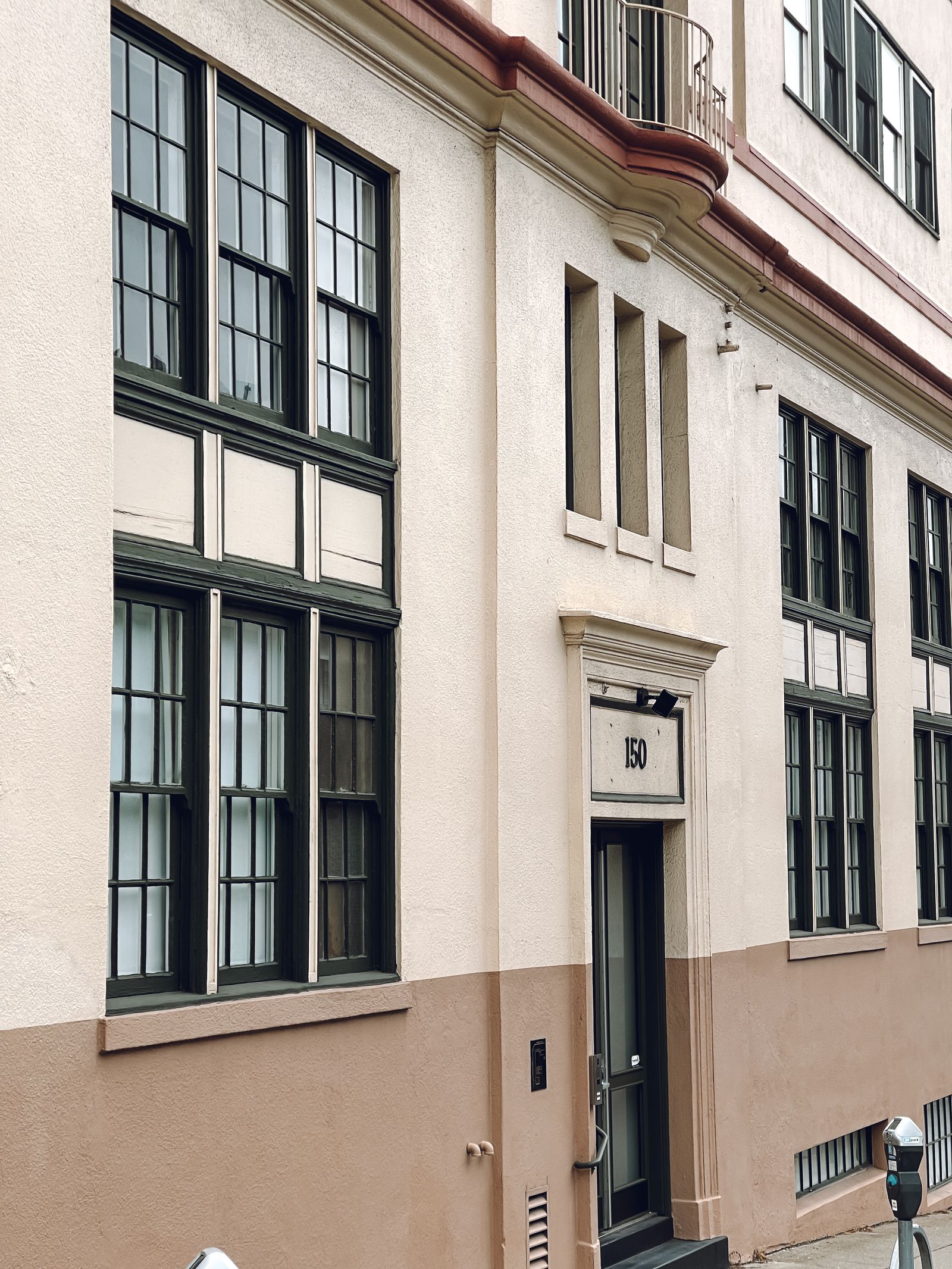
A useful scope names the visible condition and the expected result. Facades may include stucco, painted masonry, brick, precast concrete, EIFS, metal panels, stone accents, glazing, canopies, ledges, parapets, and sign bands. Each can respond differently to chemistry, dwell, pressure, rinsing, and water temperature. A test area is especially useful when coatings, historic repairs, porous stone, or prior cleaning records are uncertain. The area should be judged after it dries so the owner can see whether soil was reduced evenly and whether deposits or weathered coating remain.
Cleaning should remain separate from work that it cannot perform. A soft wash does not replace sealant repair, leak investigation, paint correction, masonry restoration, glass polishing, graffiti removal, or a building-envelope assessment. A controlled rinse on upper glass may remove loose soil but should not be sold as a squeegee finish or as hard-water restoration. The quote should divide the building into service zones and say what is included, what is expected to improve, what may remain, and which conditions need a different trade or follow-up.
- Identify the substrate, coating, stain, and desired presentation result.
- Review test areas after drying before expanding to a full elevation.
- Separate washing from restoration, repair, glass detailing, and inspection.
- Price entrance features, upper walls, canopies, and specialty zones clearly.
Plan for Sacramento neighborhoods and property operations
Downtown Sacramento, the Capitol area, Midtown, and Old Sacramento can place active sidewalks, state workers, residents, visitors, loading windows, transit movement, events, and restaurant activity close to the facade. A building on Capitol Mall may need a more structured pedestrian and security plan than a warehouse near the Power Inn industrial corridor. East Sacramento and Land Park can bring mature trees, landscaped edges, and neighborhood-facing entrances. Natomas and the airport corridor may provide more staging room while still requiring coordination with hotel guests, fleet movement, deliveries, and busy arterial roads.
Arden-Arcade combines offices, medical uses, retail, hotels, and parking circulation, while the Broadway and Stockton Boulevard areas include medical, institutional, neighborhood commercial, and residential interfaces. The University area and medical district can require patient-route protection, emergency access, air-intake awareness, and tight coordination with campus facilities. These neighborhood conditions help frame the site review, but they do not determine the method by themselves. The address, material, building height, nearby people, water path, and desired finish decide the work zones.
Before scheduling, identify public entrances, accessible travel, tenant doors, loading docks, parking, outdoor seating, air intakes, emergency routes, security requirements, and areas that cannot become wet. A property can often be phased by elevation or entrance so operations continue while a controlled zone moves. State offices, medical appointments, hotel arrivals, retail opening, and industrial shifts each benefit from a written sequence with pause triggers instead of an assumed all-day work window.
Account for hot, dry summers and winter rain
Sacramento's hot, dry summer conditions can change surface temperature, chemical dwell, drying speed, worker exposure, and the appearance of the rinse. Sun-facing stucco, metal, pavement, and glass can become much warmer than the surrounding air. A solution that behaves well in shade may dry too quickly on a west-facing wall. The plan may need smaller sections, shaded timing, more frequent checks, and a dry inspection before the crew moves on. Cal/OSHA heat-illness requirements apply to outdoor work, so production should include water, rest, shade, and schedule changes required by the actual conditions.
Winter and shoulder-season rain create a different set of questions. Roof runoff, shaded north elevations, tree cover, irrigation overspray, pollen, and bird activity can produce repeat marks even after a successful cleaning. Rain can change dwell, visibility, runoff volume, ground traction, and drone feasibility. A cleaning visit cannot repair a leaking downspout or redirect an irrigation head. If soil returns quickly in the same line, the closeout should identify the likely building or site source so the property team can address it rather than repeatedly washing the symptom.
Use drone assistance only when it fits the whole site
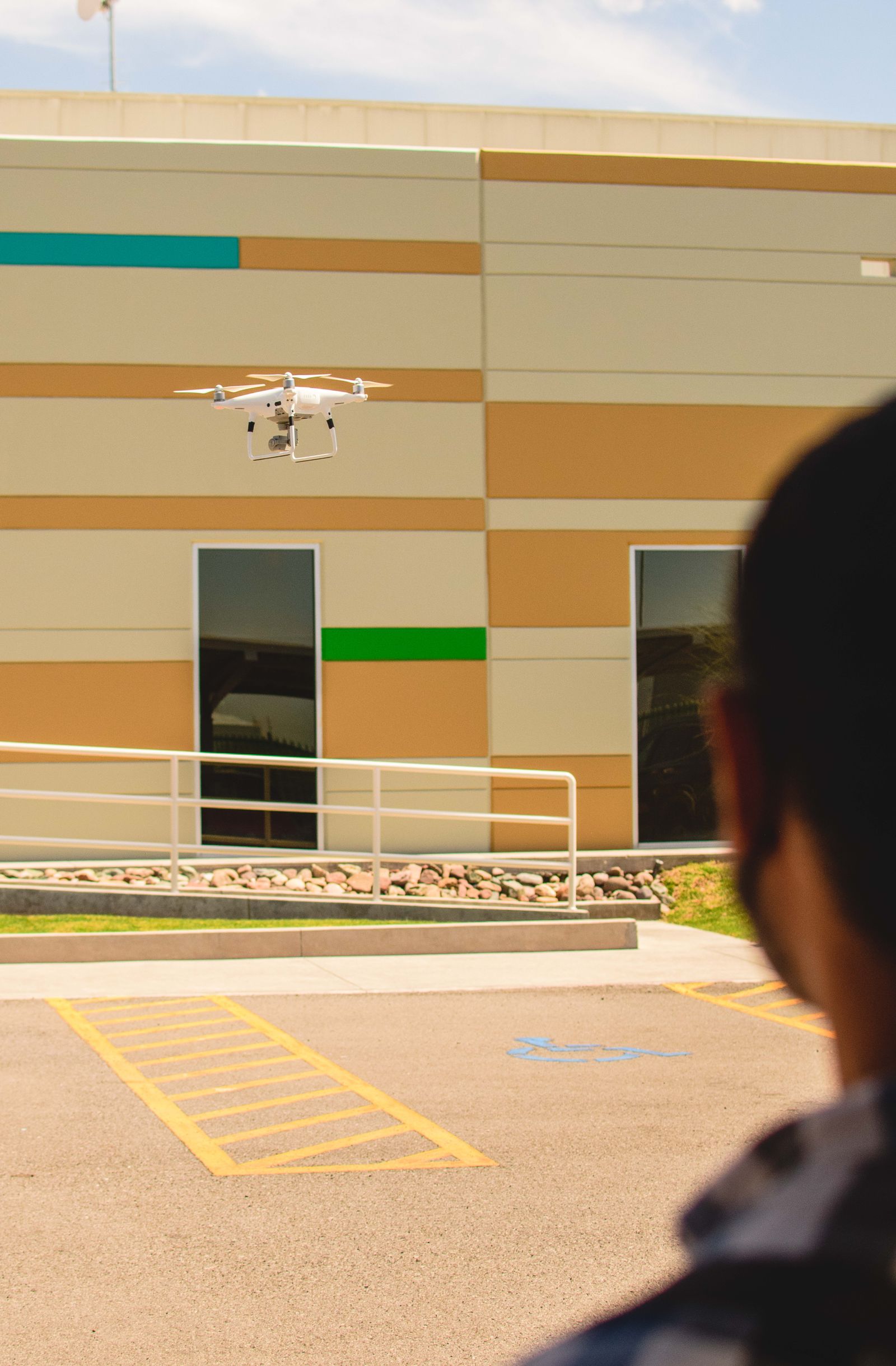
Drone-assisted application or rinsing may be appropriate on a broad, compatible upper elevation with clear stand-off distance, manageable wind, visual control, a secure launch and recovery area, and a ground team able to protect people, vehicles, and adjacent property. It can reduce some lift repositioning on selected walls or parapets. It is not a universal replacement for contact access. Entrance glass, frames, recessed balconies, ledges, bonded mineral deposits, fragile trim, and areas requiring brushing, scraping, or squeegee work may still need a pole, lift, roof access, or hand detail.
Sacramento's state complex, airport vicinity, hospital operations, stadium and event areas, utility lines, trees, rooftop equipment, neighboring buildings, and active streets can limit an aerial plan. The Federal Aviation Administration's commercial small-UAS requirements cover remote pilot certification, registration, airspace, visual line of sight, and operations around people or moving vehicles. A property owner's permission does not settle aviation requirements. The operator should review current conditions and provide a grounded backup method for elevations where airspace, wind, sight lines, public control, or water management are not adequate.
Treat water, drains, and landscaping as part of the scope
Sacramento property teams often care about both water use and what leaves the work area. The City of Sacramento describes stormwater as runoff that can carry pollutants to local waterways, and its stormwater program provides guidance for businesses and construction or maintenance activity. Before washing, map roof drains, downspouts, curb inlets, trench drains, low points, landscaped areas, slopes, public sidewalks, neighboring parcels, and doors. A grate's appearance does not prove where it leads, and a landscaped strip is not automatically an approved discharge location.
The proposal should state the expected water source, application and rinse assumptions, protection or recovery approach, and the stop condition if observed flow differs from the plan. Controls may include dry cleanup, reduced flow, temporary berms, inlet protection, monitored recovery, sediment separation, or an approved disposal arrangement. The correct controls depend on the actual products, soil, material, drainage, and local requirements. Do not treat water conservation as permission to discharge, or a product label as proof that runoff is acceptable.
Protect landscaping, air intakes, open doors, signage, vehicles, electrical equipment, and public routes. Wind can move mist beyond the expected zone, while a low point can collect more water than a plan based only on wall area suggests. The field lead should pause for bypass, rising containment, changed weather, unexpected residue, or people entering the controlled area. Closeout photos and notes give facilities teams a record of completed elevations, deferred conditions, and any source issue that needs attention.
- Trace the expected flow path before application begins.
- Confirm water access, protection, recovery, and disposal assumptions in writing.
- Coordinate landscaping, air intakes, entrances, vehicles, and accessible routes.
- Stop when wind, rain, flow, or occupancy makes the plan uncontrolled.
Build a one-time reset or recurring maintenance plan
A one-time project can focus on the public-facing elevations before a state inspection, lease tour, ownership visit, medical accreditation event, hotel meeting, renovation handoff, or seasonal presentation reset. Prioritize the entrance, canopy, sign band, parking-facing facade, and stains most visible to occupants or visitors. A phased priority scope often gives the property a better decision point than assuming every wall needs identical treatment on the same day.
Recurring care may be useful where trees, irrigation, traffic, pollen, bird activity, or shaded conditions create predictable resoiling. The interval should come from observed condition, the last result, weather, access, budget, and the operating calendar. A program might separate entrance and canopy work from upper facade washing, glass detail, or industrial service areas. It should not promise quarterly, semiannual, or annual cleaning solely because a building is located in Sacramento.
Each visit should document completed zones, dry-condition photos, weather interruptions, access limitations, remaining deposits, and recommended follow-up. That record helps an office manager, hospital facilities team, hotel engineer, or industrial property manager decide whether the next visit needs a rinse, soft wash, contact detail, restoration referral, or no work yet. It also makes multi-building programs comparable without pretending that Downtown, Natomas, and Power Inn have the same exposure or operating risk.
Request a Sacramento commercial cleaning quote
Send the address, wide and close photos, approximate height, facade materials if known, target elevations, visible stains, water access, nearby drains, landscaping, access restrictions, preferred work window, and the result you expect. Tell us whether the priority is organic growth, pollen, traffic film, upper ledges, a canopy, a hotel entrance, upper-glass rinsing, or recurring maintenance. Include known leaks, coating concerns, construction residue, tenant rules, medical or state security requirements, and dates that cannot move.
We use that information to decide whether a remote review, site visit, test area, or detailed access plan should come next. The proposal should identify service zones, proposed method, finish limits, exclusions, weather contingencies, water controls, public and tenant protection, and documentation. It should also explain where drone-assisted delivery is proposed and where ground or contact access is more appropriate.
Call +1 239-351-2897, email contact@dronebuildingcleaners.com, or submit the quote form with the building details. Drone Building Cleaners helps Sacramento commercial property teams get a clear scope tied to the material, the operating schedule, and the result required. Request a quote and we will review the practical next step for the property.